


Welcome! We’re So Glad You’re Here
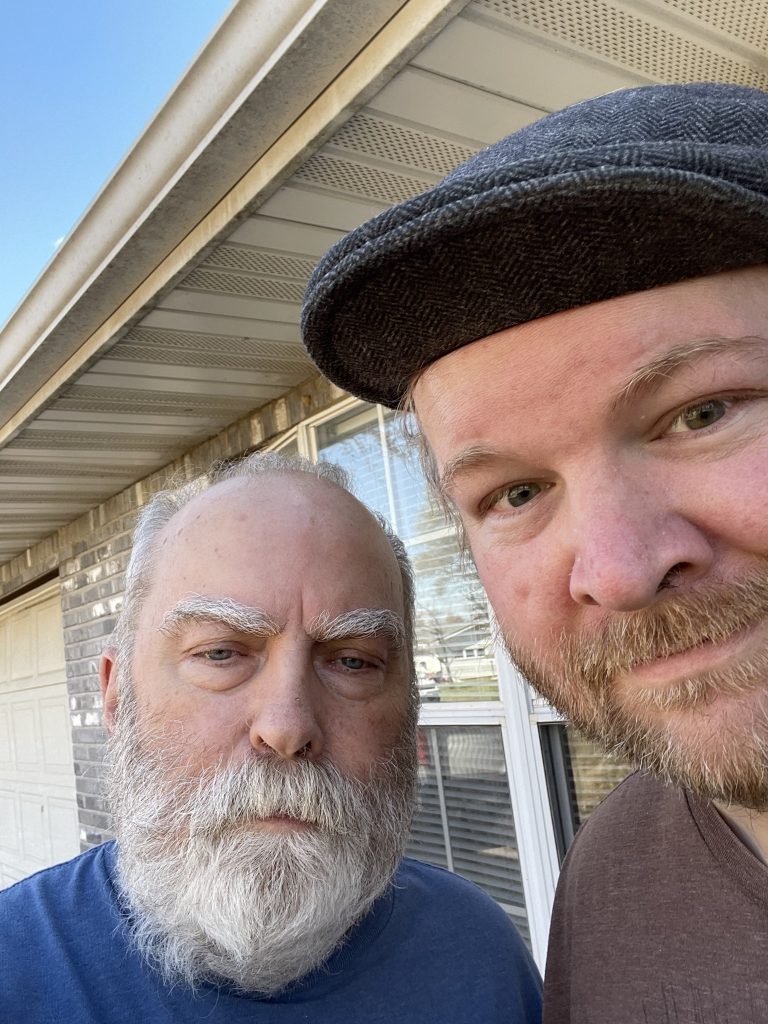
We’re Jim and Keith Proctor — a father-and-son team passionate about making personal finance simple, fun, and family-friendly.
If you’re reading this, chances are you’ve decided it’s time to take better control of your money — and that’s a huge first step! Whether you’re just getting started or feel like your finances could use a little extra help, you’re in the right place.
Personal finance can sometimes feel overwhelming. Terms like “assets,” “liabilities,” “compound interest,” and “credit scores” get thrown around, and it’s easy to feel lost. But here’s the good news: you don’t need a finance degree to understand this stuff. You’ve already taken the most important step — choosing to learn.
In this Personal Finance Beginner Guide, we’ll walk you through everything in plain, everyday language. We’ll cover the basics like:
- Budgeting in a way that actually works for real life
- Saving money without feeling deprived
- Getting started with investing (even with small amounts)
- Understanding debt and building good credit
Think of it as your friendly roadmap to a brighter financial future.
So grab a cup of coffee (or tea — we won’t judge!), get comfortable, and let’s do this together.
Remember, it’s not about being perfect with your money. It’s about making small, consistent improvements that add up to big results over time — giving you more confidence, security, and freedom.
Ready? Let’s get started!
💡 What “Hacking Your Finances” Really Means
What “Hacking Your Finances” Really Means
Hey there! First off, let’s clear up the big misconception right away: when I say “hacking your finances,” I’m not talking about anything shady, illegal, or even “cheap” in a bad way. 😄 No duct-tape wallets or skipping bills here!
“Hacking” in this context just borrows the cool part of the original computer-hacking idea—finding clever, unconventional, and super-efficient ways to get better results with less effort. Applied to money, it means being smart, intentional, and a little creative so your dollars stop slipping through your fingers and start pulling their weight (and then some!).
Think of it like this: most people are on the financial “default” setting—paycheck comes in, bills go out, a little money gets spent on random stuff, repeat. Hacking your finances is switching from autopilot to manual mode, but the fun kind, where you actually end up with more money, less stress, and a lot more freedom.
Some real-life examples of what that looks like day-to-day:
- Automating your savings so the money moves into investments or high-interest accounts before you even have a chance to spend it (out of sight, out of mind = magically growing wealth).
- Hunting down and killing those sneaky “vampire fees”—bank fees, subscription creep, credit-card interest—that quietly bleed your accounts dry.
- Spending on purpose instead of on habit: asking “Does this purchase actually move me toward the life I want?” instead of “Ooh, shiny!”
- Turning everyday expenses into wins—like using the right cash-back credit card, shopping groceries with apps that pay you back, or negotiating bills everyone else just accepts.
- Making your money earn money while you sleep: moving your emergency fund from a 0.01% bank account to a high-yield savings account or safe, liquid investments that pay 4–5%+ with almost zero extra risk.
Basically, every hack we share on Let’s Hack Your Finances is something my family has personally tested and loved. We’re not financial gurus with fancy degrees—just regular people who got tired of feeling broke even when we “made good money.” So we started experimenting, kept what worked, ditched what didn’t, and now we pass the best stuff on to you.
The result? More money in your pocket, way less money stress, and the freedom to spend guilt-free on the things (and people) you truly love.
That’s the heart of hacking your finances: small, clever moves that add up to big, life-changing results—without sacrificing the fun parts of life.
Ready to try a few? Stick around; we’ve got plenty! 🚀
👨👦 Who We Are — Meet Jim & Keith
I’m Jim, a lifelong learner and family budget nerd. My son Keith is my partner in this journey — he’s learning the ropes of saving, spending, and investing right alongside me.
Together, we started this blog to document what works (and what doesn’t), and to show that talking about money as a family can be both empowering and fun.
💰 Step 1: Master the Basics of Personal Finance
If you’re new to personal finance, start here.
We’ll walk you through the essentials — budgeting, saving, debt, and how to set realistic financial goals.
👉 Master the Basics of Personal Finance
📊 Step 2: Build a Budget That Actually Works
We’ve tested dozens of budget styles, and we’ll show you which ones actually stick.
Learn how to build a budget that fits your lifestyle, keeps you motivated, and grows with your goals.
👉 [Read: Build a Budget That Actually Works: Practical Strategies for Financial Success
💳 Step 3: Crush Debt and Stay Out of It
Debt can feel overwhelming – but it doesn’t have to be permanent. We’ll show you step-by-step debt payoff strategies that help you take control, reduce stress, and finally move forward.
👉 [Read: Debt Payoff Strategies ]
📈 Step 4: Start Saving for the Future
Building wealth does not happen overnight – but it can happen steadily. We’ll help you start saving, even if you have only a few dollars.
👉 [Read: Start Saving for the future ]
🧠 Step 5: Teach Kids About Money
Money lessons don’t have to be boring! We share fun, hands-on ways to teach kids about saving, spending, and giving. From allowance systems to money games, we’ll show how you can build lifelong habits together.
👉 [Read: Fun ways to teach kids about money]
🧭 What’s Next? Your Roadmap to Financial Freedom
Here’s the journey we recommend:
- Learn the basics
- Create a budget
- Eliminate debt
- Build savings
- Invest for the future
Step by step, we’ll help you build your financial freedom roadmap — one hack at a time.
🚀 Ready to Start Hacking Your Finances?
Your next step is simple: pick one area to start improving today.
We’ll guide you, cheer you on, and share what’s worked for us as we learn together.