
- Understanding Why Budgets Fail
- Setting Clear and Achievable Financial Goals
- Building a Budget That Fits Your Lifestyle
- Tracking Spending and Staying Accountable
- Adapting and Improving Your Budget Over Time
- Tips for Long-Term Budget Success
- Frequently Asked Questions
- What are the steps to creating a beginner's budget?
- How can I develop a monthly budget that is both effective and manageable?
- Could you provide an example of a personal budget that has proven successful?
- What strategies are recommended for budgeting successfully on a low income?
- In what ways does a well-planned budget contribute to achieving financial objectives?
Building a budget that actually works means creating a plan that fits your life and helps you control your money without feeling boxed in. It’s not about slashing every expense—more like making sure your cash is going where it matters most.
A good budget gives you freedom by balancing your needs, wants, and savings in a way that’s realistic and flexible.


Lots of folks struggle with budgeting because they try to follow rules that just don’t fit their lives. The trick is to track your income and spending, maybe try something simple like the 50/30/20 method, and tweak things as life happens.
This kind of approach makes it way easier to stick with a budget over the long haul.
By focusing on personal goals and building a budget around your actual habits, you can save more, stress less, and finally feel like you’re steering your own finances.
Understanding Why Budgets Fail

Many budgets fall apart because they don’t match real life or just can’t keep up with changes. Problems usually start with unrealistic expectations, missing insight into spending habits, or a basic misunderstanding of what budgeting is really about.
Common Pitfalls in Budgeting
One big mistake? Making budgets too rigid. If there’s no wiggle room, most people just toss the whole thing out the window.
Overly detailed budgets can be exhausting too. When there are too many categories or rules, it’s easy to lose track or just give up entirely.
Expecting perfection right from the start is another recipe for disaster. Life throws curveballs—if your budget has no flexibility, it’s not going to last.
Common pitfalls:
- Rigid spending limits
- Overly complex categories
- Unrealistic expectations of perfection
- Ignoring unexpected costs
Misconceptions About Budgeting
Some folks think budgeting means cutting all the fun out. That mindset makes the whole thing feel like a punishment, which doesn’t help anyone stick with it.
There’s also this idea that budgeting requires perfect self-control every single day. Honestly, it’s more about building better habits over time than being a money monk overnight.
And let’s not forget the myth that you need fancy spreadsheets or complicated apps. Simple methods work just fine if you actually use them.
Key misconceptions:
- Budgeting equals no spending on fun
- Needs perfect daily discipline
- Only complex tools work
Recognizing Personal Spending Patterns
If you don’t look at where your money’s been going, your budget’s probably missing the mark. Tracking spending for at least a month gives you a real sense of your habits.
It’s surprising how little things—like daily coffee or random impulse buys—can add up. Spotting these “leaks” helps you build a budget that actually fits your life, not just some ideal version of it.
Steps to recognize patterns:
- Track all spending for 30 days
- Identify regular and irregular expenses
- Note small, frequent costs
- Adjust budget categories based on findings
Setting Clear and Achievable Financial Goals

Building a budget starts with knowing what you’re aiming for. Clear financial goals guide your spending and saving habits—otherwise, it’s just numbers on a page.
These goals should reflect what you actually need and want. Make them realistic, measurable, and give them a timeline, or else they’re just wishes.
Identifying Your Priorities
First, jot down what matters most to you financially. Maybe it’s paying off debt, building an emergency fund, or saving up for a home—whatever fits your life right now.
Be honest about what needs attention now and what can wait. If debt is stressing you out, maybe that jumps to the top of the list.
Writing out your priorities helps keep you focused. It’s easy to spread money too thin if you don’t know what matters most.
Check this list often—life changes, and so should your goals.
Establishing Short-Term and Long-Term Objectives
Short-term financial goals usually cover up to a year. Think saving for a vacation, starting an emergency fund, or knocking out a credit card balance.
Long-term goals stretch further—maybe retirement savings or a house down payment. The key is to set clear deadlines and dollar amounts, so you know when you’ve made it.
| Type | Goal | Time Frame | Target Amount |
|---|---|---|---|
| Short-term | Build emergency fund | 6 months | $1,000 |
| Long-term | Save for home downpayment | 5 years | $20,000 |
Breaking big goals into smaller steps makes them way less intimidating. You’re more likely to stick with it if progress feels doable.
Prioritizing Needs Over Wants
A successful budget knows the difference between essentials and extras. Needs are stuff like rent, food, and keeping the lights on. Wants? That’s dining out, entertainment, or the latest gadget.
Cover your needs first to keep things stable. Wants can come later, after you’ve hit savings targets and paid the bills.
Making two lists—one for needs, one for wants—can really help clarify things:
- Needs: Rent, groceries, utilities, insurance
- Wants: Streaming services, new gadgets, hobbies
Check your spending against these lists to see if your budget lines up with what’s actually important for your financial health.
Building a Budget That Fits Your Lifestyle
Your budget needs to match your income, habits, and goals—otherwise, what’s the point? That means picking a budgeting style that fits your daily life, organizing categories that reflect what you really spend on, and planning for income that might bounce around.
Each part matters if you want a budget that’s actually usable.
Choosing the Right Budgeting Method
How you budget depends on how you like to manage money. Some folks swear by the “50/30/20” rule: 50% for needs, 30% for wants, 20% for savings or debt.
Others go for zero-based budgeting, where every dollar gets a job so nothing’s left floating. It’s all about picking what you’ll actually stick with.
For example, freelancers might like cash envelope budgeting to keep spending in check. The important thing is to track expenses and see if your method is working—or if it needs a tweak.
Customizing Categories to Your Needs
Your budget categories shouldn’t just come from a template. They need to reflect where your money actually goes. Fixed expenses like rent and utilities are obvious, but variable stuff—groceries, entertainment, gas—needs attention too.
Don’t be afraid to merge or split categories. Maybe groceries and dining out get separated, or medical costs get split into insurance and supplies.
- Groceries and dining out could be two separate categories.
- Medical costs might be split between insurance and supplies.
This makes it way easier to see what’s really happening with your money.
Adjusting Your Budget for Irregular Income
If your income isn’t steady—hello, freelancers and gig workers—a flexible budget is a lifesaver. One option is to average your income over a few months to get a baseline for planning.
Or, try prioritizing your essential bills first, then use what’s left for savings or extras. Building up a buffer during high-earning months can help smooth out the lean times.
Carefully tracking all income sources makes sure nothing slips through the cracks. Regularly reviewing and adjusting your budget helps keep things steady, even when your paychecks aren’t.
Tracking Spending and Staying Accountable

Tracking every expense might sound tedious, but it’s how you actually stay in control. Seeing where your money goes helps you catch overspending before it gets out of hand.
Automating parts of your money routine—like savings or bills—can make things way easier and help you avoid missed payments.
Using Budgeting Tools and Apps
Budgeting apps make tracking way less painful. Many can auto-categorize your spending or let you log purchases with a couple of taps.
Look for features like overspending alerts, savings goals, and easy data exports. These tools cut down on errors and guesswork, and you get a clear view of your habits.
Updating and checking your app regularly keeps you on top of things—don’t just set it and forget it.
| APP Name | Explanation | Website |
| YNAB | A proactive budgeting app that helps allocate every dollar to a job. | https://youneedabudget.com |
| Mint | Free budgeting app that tracks all accounts and spending in one place. | https://mint.com |
| EveryDollar | Zero-based budgeting app created by Dave Ramsey’s team. | https://everydollar.com |
Reviewing Spending Habits Regularly
Set aside time each week or month to look over your expenses. Bank statements, receipts, or app reports all work for this.
Ask yourself: Did I go over in any category? Can I trim anything? Writing down your thoughts and plans can actually help you stick to them.
Automating Savings and Payments
Automating bills and savings is a game changer. Set up automatic payments to dodge late fees and the stress of missed due dates.
Automatic transfers to savings help you build an emergency fund or hit other goals without having to think about it each time.
Once you set it up, managing money just takes less mental effort. Bills get paid, savings grow, and you don’t have to worry as much about forgetting something important.
Adapting and Improving Your Budget Over Time
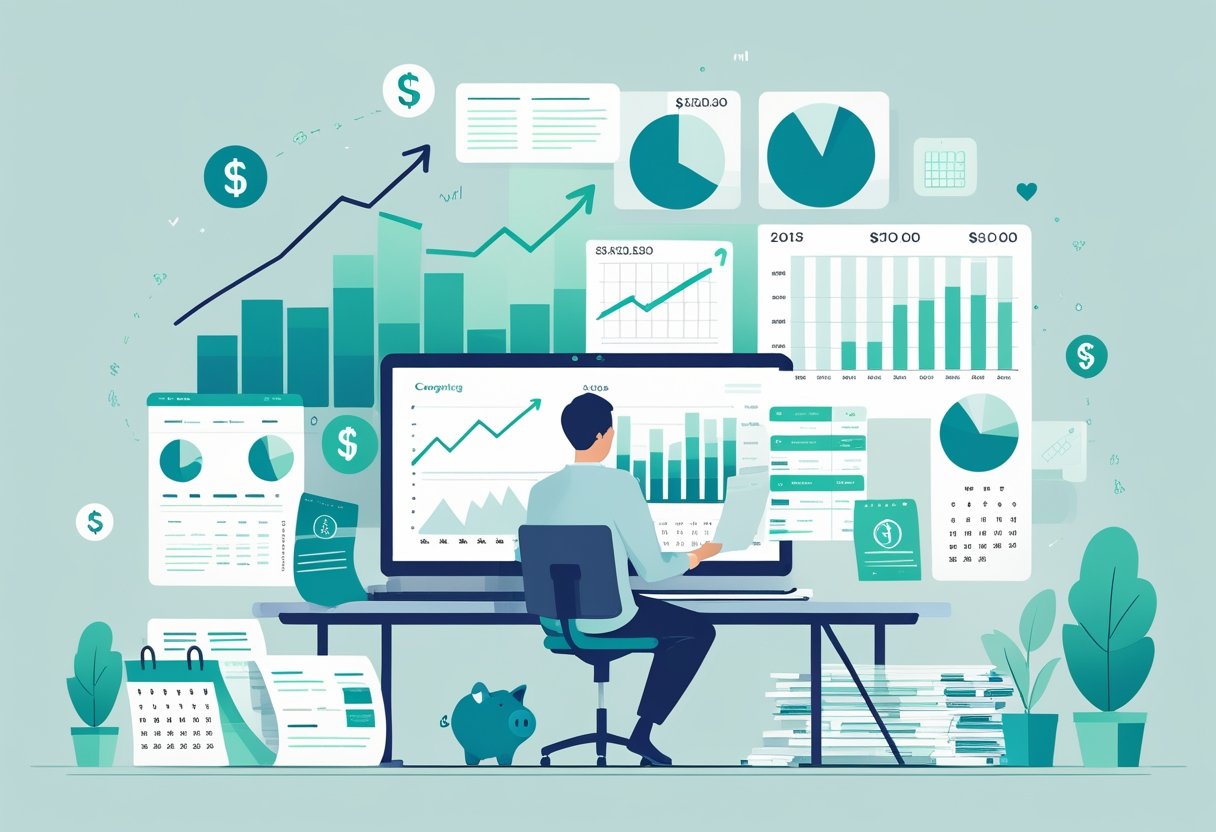
A budget isn’t set in stone. It needs regular check-ins and tweaks to keep up with your life.
Tracking your spending and checking your goals helps you spot where things could be better—or where you might need to make a change.
Handling Unexpected Expenses
Surprise expenses have a way of blowing up even the best budgets. That’s why an emergency fund is so important—it’s your safety net for things like car repairs or medical bills.
When something unexpected pops up, shift your budget as needed. Cutting back on non-essentials for a bit—like eating out or subscriptions—can help cover the cost.
Keep track of these surprise expenses. If you notice a pattern, maybe it’s time to beef up your emergency fund or tweak your categories so next time doesn’t sting as much.
Making Adjustments for Life Changes
Life changes—like a new job, moving, or starting a family—can throw your income and expenses for a loop. When that happens, the budget’s gotta shift to fit the new reality.
Maybe a pay raise lets you stash more in savings or knock out debt faster. Or a new baby? Suddenly, diapers and daycare are on the list, so something else probably needs to shrink.
Whenever something big changes, give your budget a once-over. Sometimes you’ll need to add new categories or tweak spending limits.
Staying a little flexible helps you keep control, even when life’s in flux. That way, you’re less likely to overspend during those transition periods.
Evaluating Progress Toward Goals
Keeping tabs on your financial goals is what makes a budget useful, honestly. Whether it’s saving up an emergency fund, paying off debt, or putting something away for retirement, it’s all about tracking progress.
Clear, measurable goals with timelines make things less murky. Say you’re trying to save $1,000 in six months—you’d want to check monthly savings and tweak spending if you’re falling behind.
If you’re not hitting your goals, it’s worth taking a hard look at where the money’s going. Maybe you can cut back in one spot to free up cash, or maybe the goals themselves need a rethink if life’s thrown a curveball.
Tips for Long-Term Budget Success
Setting up a budget is the easy part, right? Actually sticking to it for the long haul takes habits, motivation, and sometimes a little help. That’s what keeps things doable over time.
Building Healthy Financial Habits
Getting into daily and monthly routines makes budgeting less of a chore. Tracking every expense—even the tiny ones—can be eye-opening and helps keep overspending in check.
Automating bill payments and savings is a lifesaver for forgetful types. It just adds some consistency to the whole process.
Setting goals you can actually reach matters, too. Maybe it’s saving a set amount each month or knocking out a credit card by a certain date.
Checking in on your budget weekly or monthly lets you adjust for real-life spending, not just what you hoped would happen.
Impulse buys? They’re budget killers. Planning ahead, making shopping lists, or even using cash instead of cards can help keep things under control.
Maintaining Motivation
Motivation’s a slippery thing—sometimes you need reminders that you’re making progress. Hitting milestones, like paying off a card or reaching a savings goal, really does boost your confidence.
Visual trackers—apps, charts, whatever works—make it easier to see that you’re moving forward, even if it’s slow.
Big goals can feel overwhelming, so breaking them into bite-sized steps makes them less scary. And hey, celebrating small wins (cheaply) isn’t a bad idea.
Budgets shouldn’t be set in stone. If something changes—income, priorities, whatever—switch things up so you don’t burn out.
Seeking Support When Needed
Honestly, asking for help is smart, not a weakness. Friends or family can keep you honest and cheer you on.
If things get complicated, like with debt or unexpected expenses, a professional—financial advisor or counselor—can help untangle the mess. Sometimes you just need outside perspective.
Online groups and budgeting apps are pretty handy, too. People share tips, reminders, and you don’t have to go it alone.
Frequently Asked Questions
Here’s where you’ll find step-by-step budgeting basics, ideas for business finances, and advice for keeping monthly budgets practical. There’s also a sample personal budget, tips for low-income budgeting, and a look at how budgeting helps you hit your goals.
What are the steps to creating a beginner’s budget?
Start by tracking all your income and expenses for at least a month. Sort expenses into needs, wants, and savings.
Set spending limits based on your take-home pay, not the number on your contract. Check and tweak your budget regularly so you don’t drift off course.
How can I develop a monthly budget that is both effective and manageable?
Use realistic post-tax income numbers. The 50/30/20 rule is a favorite: 50% for needs, 30% for wants, 20% for savings or debt.
Automate bills and savings so nothing slips through the cracks. Leave a little wiggle room for surprises—it’s life, after all.
Could you provide an example of a personal budget that has proven successful?
Let’s say your net income is $3,000 a month. You might put $1,500 toward essentials like rent, food, and utilities.
Discretionary stuff—hobbies, eating out—gets $900. The last $600 goes to savings, debt, or emergencies. Tweak these as your life changes.
What strategies are recommended for budgeting successfully on a low income?
Cover the basics—housing, food—first, no question. Cut extras and look for ways to boost income, like a side gig.
Use budgeting apps to track every cent and steer clear of debt. Even a tiny emergency fund is better than none—start small and build up.
In what ways does a well-planned budget contribute to achieving financial objectives?
It gives you a clearer roadmap for spending, saving, and debt repayment. Budgets highlight where you might need to cut back and help make sure your money actually goes toward what matters most.
Honestly, tracking your progress gets way easier, and there’s less stress about accidentally overspending. When you stick with it, budgeting can really lay the groundwork for long-term financial stability—even if it’s sometimes a hassle to keep up with.