

Getting out of debt can feel overwhelming. Still, thousands of people manage to eliminate their debt every year by using strategies that work.
Whether you owe a few thousand dollars on credit cards or face bigger financial challenges, you can start taking control of your situation today.

The fastest way to get out of debt? List everything you owe, pick a repayment method like the debt snowball or avalanche, slash unnecessary expenses, and throw every extra dollar at your balances.
Your specific path really depends on how much you owe, your income, and the types of debt you’re up against.
This guide walks you through the steps you need to become debt-free. You’ll see how to assess your debt, choose the right repayment strategy, find more money for payments, and figure out if you need professional help.
- Key Takeaways
- Assess Your Debt and Current Financial Standing
- Build a Sustainable Debt Repayment Strategy
- Accelerate Debt Payoff with Smart Financial Moves
- Explore Professional Help and Alternative Solutions
- Frequently Asked Questions
- What practical steps can I take to eliminate my debt on a low income?
- What strategies are recommended for becoming debt-free within six months?
- Are there grants available to assist with debt repayment, and how can I access them?
- What are the best methods for managing and repaying debt when dealing with financial hardship?
- Can you recommend a comprehensive guide or resource for living a prosperous life while avoiding future debt?
- Conclusion
Key Takeaways
- Start by calculating your total debt and comparing it to your income to pick a payoff strategy that matches your situation.
- Try the debt snowball method to pay off smallest debts first for quick wins, or use the debt avalanche to save more on interest over time.
- If you owe more than 50% of your gross income or can’t pay off debt within five years, consider consolidation or professional relief options.
Assess Your Debt and Current Financial Standing
First things first: get a clear picture of what you owe and where you stand financially. You need real numbers for your balances, interest rates, and monthly payments to make a plan that actually works.
List All Debts, Balances, and Interest Rates
Write down every debt you have, even the small ones. Include credit cards, student loans, car loans, personal loans, medical bills—everything.
For each debt, jot down the lender, total balance, interest rate, minimum payment, and due date. This list shows you your full financial obligations.
Your debt inventory should include:
- Account names and types
- Current balance owed
- Annual percentage rate (APR) or interest rate
- Required minimum payments
- Payment due dates
- Account status (current, past due, or in collections)
Pay close attention to interest rates. High-interest debt drains your money faster, so knowing your worst offenders helps you decide what to pay off first.
Review Your Credit Reports and Credit Score
Check your credit report from all three credit bureaus to see how your debts show up. Grab free reports once a year at AnnualCreditReport.com.
Look for errors or accounts you don’t recognize. Mistakes on your report can lower your score and make it harder to get better loan terms.
Your credit score tells lenders how well you manage debt. A higher score can help you snag lower rates if you decide to consolidate or refinance. If your score is low from late payments or high balances, it’ll improve as you pay down debt and make on-time payments.
Analyze Minimum Payments and Monthly Expenses
Add up all your minimum payments to see what you must pay every month. Compare this to your total income.
Track every dollar you spend for at least a month. Write down housing, utilities, food, transportation, insurance, and extras like entertainment or dining out.
Calculate these key numbers:
- Total monthly income after taxes
- Total minimum debt payments
- Essential expenses (housing, utilities, food, transportation)
- Discretionary spending
- Money left over after all expenses
This analysis shows if you have extra money to put toward debt. If expenses outweigh income, you’ll need to cut spending or earn more before you can make real progress.
Build a Sustainable Debt Repayment Strategy
Any solid debt repayment plan needs three things: a realistic budget, a method for tackling multiple debts, and a written plan tailored to your situation.
Create a Realistic Budget and Track Spending
You need to know exactly how much money comes in and goes out each month. Start by writing down your total monthly income after taxes.
Track your spending for at least one month. Write down every purchase, bill, and expense.
Many people realize they’re spending more than they thought on things like food, entertainment, or subscriptions. Once you have this info, build a budget that covers your needs first—housing, utilities, food, and minimum debt payments.
Then, see what money remains for debt repayment and other expenses. The 50/30/20 budget splits your pay into 50% for needs, 30% for wants, and 20% for savings and debt payoff. You can tweak these numbers if your debt load is heavy.
Use a worksheet or an app to track everything. Check your spending weekly and make changes as needed.
Select a Debt Repayment Method (Snowball vs Avalanche)
The debt snowball method means you pay off your smallest balance first, while making minimums on the rest. When you wipe out that first debt, you add its payment to the next smallest one. This approach gives quick wins that keep you going.
The avalanche method targets your highest-interest debt first. Pay as much as you can there, while covering minimums elsewhere. Once that’s gone, move to the next highest rate.
Snowball Method Benefits:
- Quick wins boost your confidence
- Reduces the number of debts faster
- Great if you need motivation
Avalanche Method Benefits:
- Saves more money on interest in the long run
- Gets you out of debt faster, mathematically
- Especially good for high-interest credit cards
Choose the snowball if you need to see quick results. Go with the avalanche if saving on interest is your top priority.
Develop a Personalized Debt Repayment Plan
Your repayment plan should list every debt with details: creditor, balance, interest rate, minimum payment, and due date.
Figure out how much extra you can throw at debt each month. Even $50 or $100 helps more than you might think.
Write down which debt you’ll tackle first, based on your chosen method. Set a target payoff date for that debt to keep yourself focused.
Build in some wiggle room for surprises. Life happens, so keep an emergency fund—$500 to $1,000 is a good start—while you pay off debt.
Review your plan every month. If you get a raise or a tax refund, toss that extra money at your debt for faster progress.
Accelerate Debt Payoff with Smart Financial Moves
Getting out of debt faster means mixing strategies that free up cash and cut what you owe. Cutting expenses gives you more breathing room, earning extra income speeds things up, and tools like balance transfers or negotiating can lower your debt burden.
Reduce Expenses and Save More Money
Trimming your spending is one of the quickest ways to find money for debt. Look over your last three months of bank statements to see where your money goes.
Spot subscriptions you don’t use, dining out, and entertainment costs that you can reduce. Focus on the big three: housing, transportation, and food.
Maybe get a roommate to split rent, switch to a cheaper phone plan, or cook at home instead of ordering out. Small changes add up when you put every dollar saved toward debt.
Set a savings goal each month and track your progress. If you can cut $200 from your budget, that’s $200 more for debt payments. Use apps or a simple spreadsheet to watch your spending and keep yourself honest.
Increase Your Income and Find Extra Cash
Boosting your income lets you pay off debt without giving up everything you enjoy. Ask for a raise if you’ve picked up more work or haven’t had a review in a while. Check out what others in your position make to help your case.
A side hustle brings in extra cash outside your main job. Freelancing, driving rideshare, food delivery, tutoring, or selling stuff online are all options. Pick something you actually like or at least don’t hate.
Sell things you don’t need for quick cash. Go through your closets, garage, or storage for clothes, electronics, furniture, or collectibles. List them on Facebook Marketplace, eBay, or local groups.
Send all extra income straight to your debt instead of spending it. Set up automatic transfers from your side hustle account to your creditors so you don’t get tempted to use the money elsewhere.
Leverage Balance Transfers and Debt Consolidation
A balance transfer credit card lets you move high-interest debt to a card with a lower rate, often 0% for 12 to 21 months. This works best if you can pay off the balance before the promotional rate ends.
Watch out for transfer fees, usually 3% to 5% of what you move. Debt consolidation rolls multiple debts into a single loan with one monthly payment.
A debt consolidation loan usually has a lower interest rate than credit cards, so you can save on interest. Credit card rates often sit above 20%, while personal loans tend to range from 8% to 15%.
Compare offers closely before making a choice. Factor in all fees and interest over the life of the loan.
Make sure the new payment fits your budget. Try not to rack up new debt on your old cards—tempting, but it’ll set you back.
Negotiate Lower Interest Rates and Direct Settlements
Give your creditors a call and ask for a lower interest rate. If you’ve been a steady, on-time customer for years, you’ve got some leverage to ask for better terms.
Be honest about your situation and mention any competing offers you’ve received. Most creditors would rather keep you with a reduced rate than lose you to a balance transfer.
Debt settlement means negotiating a lower payoff amount if you can’t pay the full balance. This damages your credit, so only consider it if things are really tight.
Creditors may accept 40% to 60% of what you owe if the alternative is bankruptcy. Get any agreement in writing before sending payments.
Double-check the settled amount, payment terms, and that the creditor will report the account as paid to credit bureaus when you’re done.
Explore Professional Help and Alternative Solutions
Professional services can offer a structured way out of debt. Knowing your legal protections helps ensure fair treatment.
Bankruptcy and loan forgiveness programs exist for specific situations. Understanding collection laws keeps you safe from shady tactics.
Understand Debt Relief, Forgiveness, and Bankruptcy Implications
A credit counseling agency connects you with a certified counselor who reviews your finances and helps set up a debt management plan. The National Foundation for Credit Counseling can help you find a certified professional to set up payment plans with creditors at reduced rates.
Debt settlement companies negotiate with creditors to lower what you owe, but they charge fees and can hurt your credit score. Debt forgiveness wipes out part or all of your debt, but the IRS might count forgiven amounts as income, so watch out for tax surprises.
Student loan forgiveness programs erase federal education debt under certain conditions. Public Service Loan Forgiveness cancels remaining balances after 120 qualifying payments while you work for government or nonprofits.
Know Your Rights with Debt Collection and Credit Agencies
The Fair Debt Collection Practices Act shields you from abusive collection tactics. Collectors can’t call before 8 a.m. or after 9 p.m., bother you at work if it’s not allowed, or use threats.
Your rights include:
- Requesting written verification of any debt within five days of first contact
- Disputing incorrect debts in writing within 30 days
- Telling collectors to stop contacting you by sending a written request
- Suing collectors who break the law
Report violations to the Consumer Financial Protection Bureau. Credit agencies have to investigate disputes within 30 days and remove wrong information.
Collections accounts stick to your credit for seven years from the original delinquency date. Making payments on old debts doesn’t restart this clock, but pay-for-delete agreements can sometimes help before settling collections.
Frequently Asked Questions
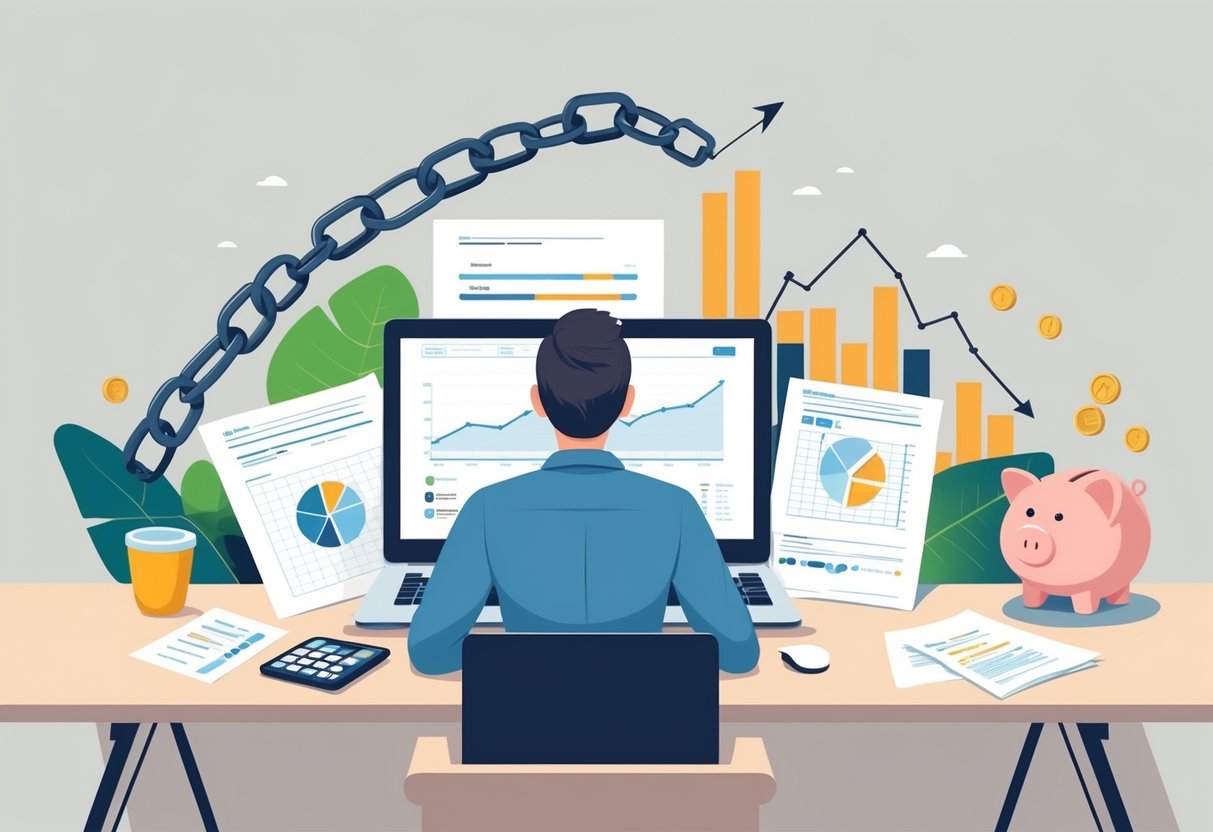
Getting out of debt takes understanding your options, whether it’s payment strategies or finding legit help. Here are some answers for common questions about debt elimination in different situations.
What practical steps can I take to eliminate my debt on a low income?
Start by listing all your debts with balances, interest rates, and minimum payments. You need to see the full picture.
Pick either the debt snowball or avalanche method. The snowball knocks out your smallest debt first for quick wins, while the avalanche saves more money by targeting high-interest debt first.
Make a budget that tracks every dollar coming in and going out. Cut expenses wherever you can, even the small stuff.
Cancel unused subscriptions and save on food by cooking at home. Look for ways to earn more—sell things you don’t need or take on extra work if possible.
Always make minimum payments on all debts except your focus debt. Throw any extra cash at the one you’re tackling, then move to the next after it’s gone.
What strategies are recommended for becoming debt-free within six months?
Six months is a short window, so you’ll need to go all in. Cut your spending hard and put every extra dollar toward your debt.
Stop using credit cards and switch to cash or debit. If you have a pricey car payment, maybe it’s time to sell and buy something cheaper.
Sell unused stuff online—most people have hundreds or even thousands of dollars just lying around. Boost your income with side gigs, overtime, or a second job, even if it’s temporary.
Call your credit card companies and ask for lower rates. Mention your loyalty and any better offers you’ve received.
If possible, pause investments except for the minimum to get your full 401(k) match. Funnel everything else into paying off that debt during these six months.
Are there grants available to assist with debt repayment, and how can I access them?
Honestly, government grants for personal debt repayment are almost nonexistent. Most programs focus on housing, food, or medical needs, not paying off debt.
Some nonprofits give limited help for people in crisis, but it’s usually for specific bills, not overall debt. Be wary of companies promising debt relief grants—many are scams looking to take your money or info.
Legitimate help comes from nonprofit credit counseling, not companies promising magical grants. Instead, stick with proven strategies and work with a nonprofit counselor if you need guidance.
Your best shot is negotiating directly with creditors, consolidating at lower rates, or getting help from real credit counseling services.
What are the best methods for managing and repaying debt when dealing with financial hardship?
Reach out to creditors as soon as you know you’re struggling. Many offer hardship programs that can lower your payments or interest temporarily.
Focus on the essentials first—housing, utilities, food, and transportation. Keep those covered while you work through the rest.
If you qualify, debt consolidation can help by combining debts into one payment, hopefully at a lower rate. Just make sure the new rate is actually better than what you’re paying now.
Consider balance transfer credit cards with 0% interest for a promo period. You’ll pay a 3% to 5% transfer fee, but if you can pay off the balance before the promo ends, it’s often worth it.
Work with a nonprofit credit counseling agency. They can help you make a budget, talk to creditors, and set up a debt management plan.
Cut your spending to the bare minimum. Stick to what you truly need until things improve.
Can you recommend a comprehensive guide or resource for living a prosperous life while avoiding future debt?
Step-by-step debt elimination guides walk you through everything—from listing debts to making your last payment. These resources cover budgeting, payment tactics, and ways to boost your income.
Learn to build a budget that actually works for you. A good budget tells your money where to go instead of you wondering where it went.
Once you’re out of debt, start an emergency fund—shoot for $1,000 first, then aim for three to six months of expenses. This helps you avoid slipping back into debt when life throws you a curveball.
Change your spending habits for good. Track your expenses and pause before buying anything non-essential. Waiting 24 hours before big purchases can save you from regrets.
If overspending is a problem, use cash or debit cards until you can handle credit responsibly. Only go back to credit cards if you can pay the full balance every month.
Set financial goals beyond just getting debt-free. Save for retirement, a home, or something meaningful that keeps you motivated to manage your money well.
Conclusion
Getting out of debt takes a plan and some real, steady action. The debt snowball method? It’s popular for a reason—it gives you those quick wins that can keep you going.
Your path forward includes these key actions:
- Create a monthly budget so you know where every dollar goes.
- Cut out expenses that aren’t really necessary.
- Try to boost your income with extra work or a side hustle.
- Stop using credit cards right away—seriously, put them away.
You’ll need to rethink how you handle money if you want to stay out of debt for good. Making a budget and trimming your spending can really speed up your progress.
This whole thing takes time and, yeah, some sacrifice. Maybe you skip eating out for a while or pause a couple streaming subscriptions. Those short-term changes? They can open the door to real financial freedom later.
Your motivation counts, too. Write down your reason for wanting to be debt-free. Keep it somewhere visible for those rough days. Sometimes, that reminder is what keeps you moving.
Remember these important points:
- Stay away from debt consolidation and settlement companies.
- Don’t dip into retirement accounts to pay off debt.
- Keep making minimum payments on everything, but attack the smallest debt first.
Honestly, tons of people have paid off their debt using these steps. Why not you? Pick your smallest debt and make that first extra payment this month. Every payment is a step toward the financial peace you want.